Custom removable partial denture solutions designed around your prescription, clinical requirements, and selected case type.
Get Started
depends on type
Accepted
Accepted
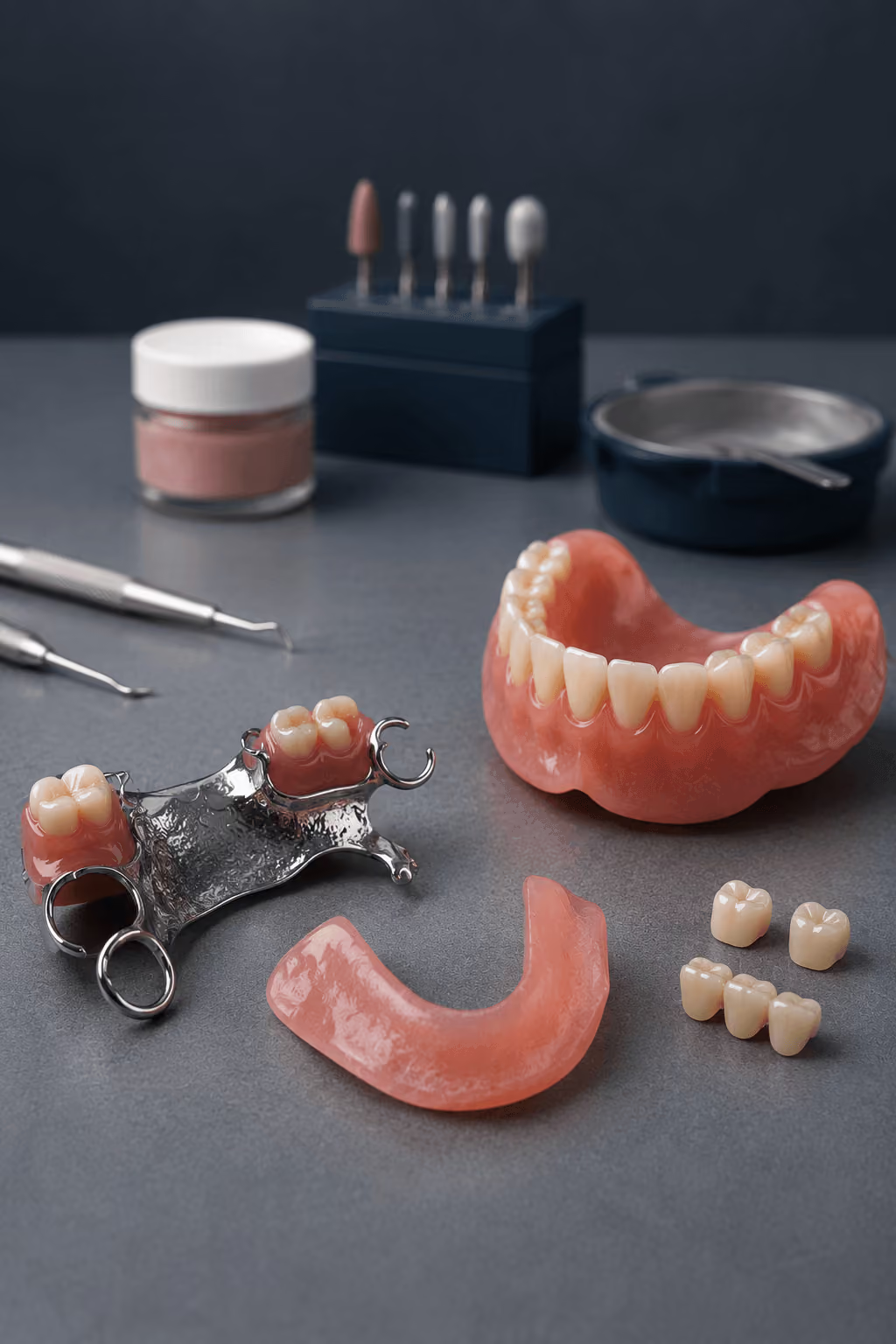
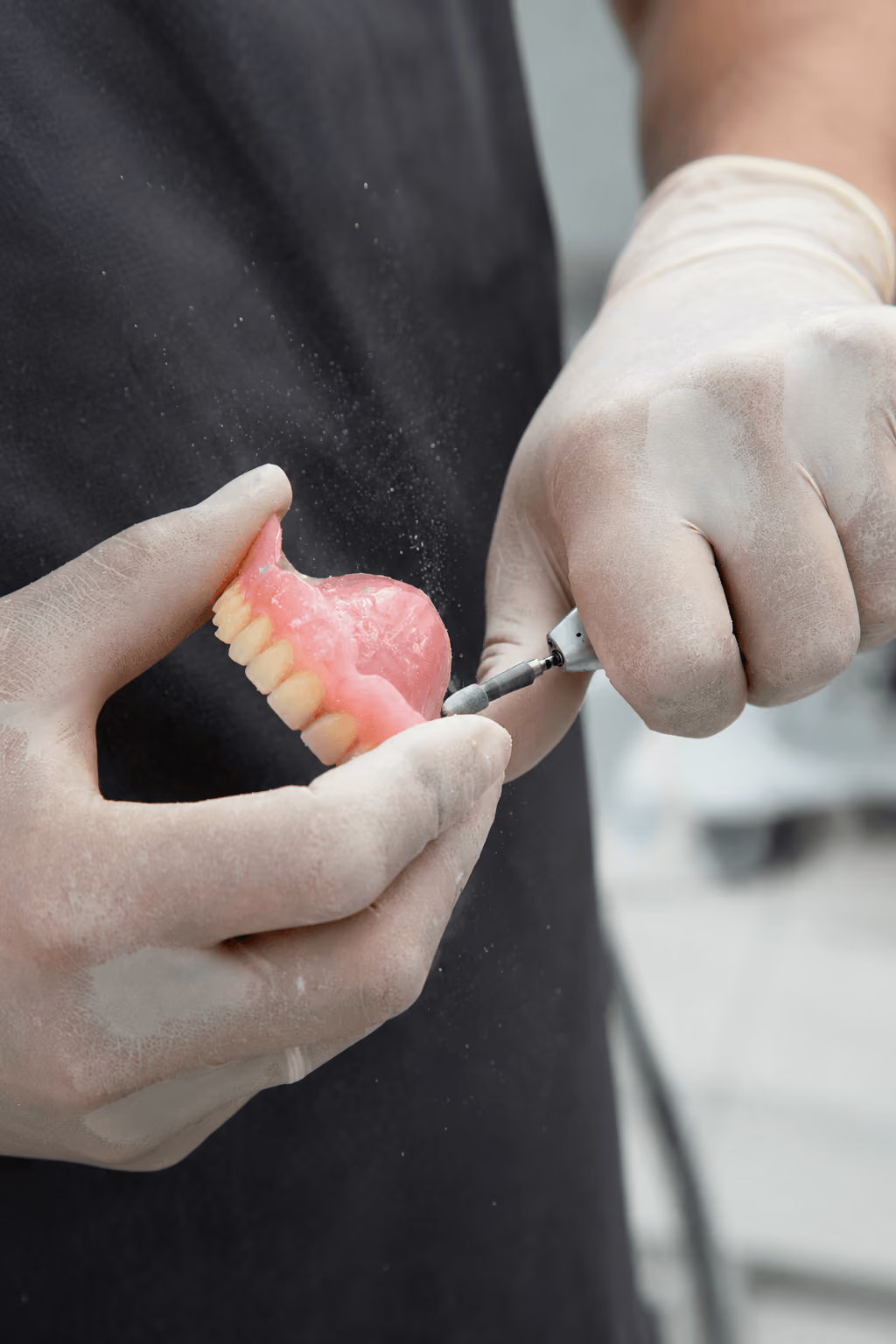
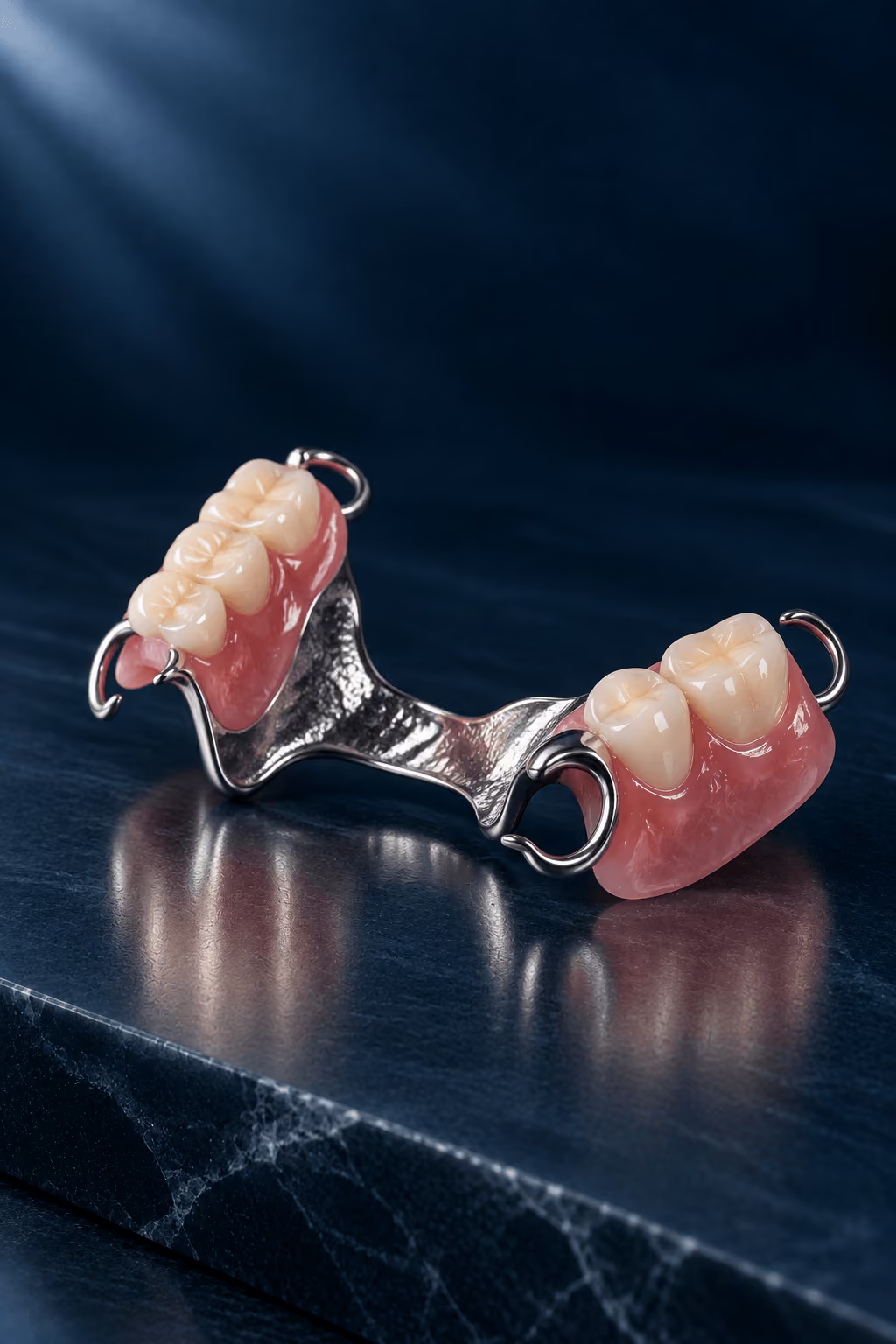
Viva Tech Dental Lab provides removable partial denture solutions for dental practices treating patients with partial tooth loss. Our catalog includes cast metal, acrylic, flexible, Nesbit, and flipper options to accommodate different clinical and restorative requirements.
Each case is fabricated according to the dentist's prescription and the records provided with the submission. Practices can use traditional impressions or digital workflows, with case-specific requirements communicated to the laboratory as needed.
Viva Tech Dental Lab combines multiple removable partial denture options with direct laboratory communication and flexible case-submission workflows. This allows practices to select the appropriate partial denture configuration while keeping case requirements clearly communicated from prescription through fabrication.
Our local Toledo laboratory also provides pickup and delivery throughout Northwest Ohio and Southeast Michigan, giving practices a convenient option for managing removable cases with a local laboratory partner.
Available partial denture configurations vary by the selected service. The catalog includes cast metal, acrylic, flexible, Nesbit, and flipper options. Material and fabrication requirements are determined by the selected case type and dentist's prescription.
Viva Tech Dental Lab supports both traditional and digital workflows, including digital impressions, traditional impressions, model scans, and 3D printed models.
Viva Tech Dental Lab accepts digital impressions and other digital records as part of its laboratory workflow. Digital cases can be submitted using compatible scan files and supporting case information. When a case has specific digital requirements, confirm the required records with the laboratory before submission.
Each completed removable partial denture is inspected for fabrication quality, finishing, and conformity with the submitted prescription before delivery. Case-specific requirements are reviewed as part of the laboratory workflow to help ensure the completed appliance corresponds with the requested service.
Contact the laboratory before submission when the case has unusual design requirements, incomplete or nonstandard records, an existing prosthesis that must be referenced, or digital records that require clarification. Early communication is particularly useful when the prescription contains design requirements that need to be interpreted or confirmed before fabrication begins.
The framework should be evaluated clinically for complete seating and fit, including its relationship to the remaining teeth and surrounding tissues. Framework fit is important before proceeding with subsequent stages of the partial denture, and any discrepancy should be identified and communicated to the laboratory before fabrication continues.
Communicate the relevant tooth arrangement and occlusal requirements with the prescription and provide the records necessary for the laboratory to reproduce the intended relationship. Accurate jaw-relation records are particularly important when the laboratory must establish the relationship between the partial denture and the opposing arch.
Yes. Viva Tech Dental Lab accepts digital scans as part of its case-submission workflow. Digital RPD workflows can incorporate scanned arches and bite records into the laboratory design and fabrication process. For cases with specific digital requirements, provide the appropriate scan files and case instructions with the prescription.
Provide the laboratory prescription along with the appropriate diagnostic or definitive records for the selected partial denture. Depending on the case, this may include an accurate impression or digital scan, opposing-arch information, and an appropriate bite or jaw-relation record. Additional records may be required when the case involves specific design or occlusal requirements.
If you have specific design requirements, include them with the case submission. Relevant information can include the intended major connector, rests, clasp locations, and other framework components. If the prescription does not communicate the intended design clearly, additional clarification may be needed before fabrication.
Include the requested partial denture type, relevant patient and case information, tooth replacement requirements, and any specific design or fabrication instructions. For cases where you want particular framework features or clasp/rest locations, those instructions should be communicated clearly with the prescription or accompanying design information. Clear, complete work authorizations reduce the amount of design information the laboratory must infer or clarify.
A removable partial denture can require rebasing, but suitability depends on the existing framework, denture base, ridge changes, border extension, occlusion, and framework relationship. These factors should be evaluated before selecting a rebase procedure.
Clearly identify each requested modification on the prescription and provide the existing appliance along with the records needed to establish the intended tooth position, occlusion, and retention. When multiple modifications are requested, documenting each change separately helps the laboratory process the case according to the prescription.
Yes. Denture and partial reline cases can be submitted when the existing prosthesis remains serviceable but requires correction of its tissue fit. The laboratory prescription should clearly identify the appliance and requested reline service, along with the records needed to process the case.